
Best Bottle Sizes for Cocktail Catering and Private Events
November 15, 2026
The best bottle sizes for cocktail catering and private events are usually a mix of 750ml liquor for flexibility, 1 liter liquor for efficiency, and 1.75 liter liquor for high-volume pours. If you’re trying to keep a bar moving without overbuying, bottle size matters as much as the spirit itself.
If you’re reading this because the guest list grew faster than the bar plan, that stress is real. This is genuinely confusing for most people, especially when you’re trying to balance service speed, bar inventory, and budget without guessing.
Key Takeaways
- Mini liquor bottles work best for favors, tasting flights, and controlled portions, while 750ml liquor is the most common all-purpose event size.
- A 1 liter liquor bottle usually gives you better pour efficiency than a 750ml bottle, while a 1.75 liter liquor handle is the workhorse for busy bars.
- For planning, use 1.5 oz shot sizes unless your bartender or recipe calls for a different pour.
- Standard US bottle sizes are easiest to compare using ml to oz conversion and pricing per ounce.
- For weddings and corporate events, stock a core set of vodka, whiskey, gin, tequila, rum, vermouth, wine, and beer before adding specialty spirits.
- If you want help choosing sizes for a party in Commack, NY, Long Island, or across all 50 states, a focused online liquor store like Shop Liquor Bottle Sizes can make that comparison easier.
When a cocktail order gets bigger than the bar rail, what bottle size actually keeps the party moving
The right bottle size depends on how many drinks you need to serve, how fast they need to be poured, and whether the event is built around cocktails, wine, or beer. For smaller gatherings, mini bottles and 750ml bottles are easy to manage. For bigger receptions, 1 liter and 1.75 liter bottles reduce bottle changes and speed up service.
Why mini bottles, 750ml liquor, and 1 liter liquor solve very different event problems
Mini bottles, 750ml liquor, and 1 liter liquor each solve a different catering problem. Mini bottles are best for favors, sampled pours, or pre-portioned service. A 750ml bottle is the standard all-purpose event size. A 1 liter bottle gives you more liquor per label, which helps when you want fewer swaps behind the bar.
Here is the practical difference:
Bottle sizeBest useWhy it helpsMini bottles / airplane bottles / nip bottlesFavors, tasting tables, giftingEasy portion controlHalf pint liquorSmall-format samplingGood for limited needsPint liquorSmall home bar or backup stockMore volume without going largeFifth of liquor / 750ml liquorStandard cocktail serviceFamiliar, versatile, easy to price1 liter liquorFaster serviceFewer bottle changes1.75 liter liquor / handle of liquorHigh-volume bar setupStrong value and efficiencyA wedding bartender in Suffolk County may burn through vodka and tequila much faster than wine or amaro. That is why size selection should follow the menu, not the shelf. If you’re building a practical event list, our size comparison guide is a helpful starting point.
One private party customer on Long Island did exactly that after realizing the signature margarita was going to be the main drink, not the side option. They shifted part of the order from several 750ml bottles to fewer 1.75 liter bottles and simplified the entire bar workflow. That kind of decision saves time during the busiest hour.
How many shots in a bottle when your guest count is rising faster than your bar inventory
How many shots are in a bottle depends on bottle size and shot size, but the standard 1.5 oz pour is the cleanest planning number. A 750ml bottle gives about 16 standard 1.5 oz shots, a 1 liter bottle gives about 22, and a 1.75 liter bottle gives about 39. If your pours are heavier, those numbers drop quickly.
A simple planning rule helps:
- Count each cocktail as one or two shots.
- Multiply by the number of guests likely to drink that spirit.
- Add a buffer for refills, tasting pours, and ice-melt dilution.
- Keep a backup bottle for the fastest-moving spirit.
This is where bar inventory gets tight. If you’re serving cocktails for a crowd, the bottle that looks cheaper upfront can become the slowest option behind the bar if it requires constant replacement. That is why many planners keep both 750ml bottles and larger formats on hand.
If you want a quick benchmark, the standard bottle sizes for event planning are usually easier to work from than random label names. The Liquor Bottle Sizes explained category is useful if you want to compare bottle sizes before you place an order. You can also review top bottle sizes for Long Island bar catering for another practical breakdown.
The size chart that quietly decides your cost per ounce and your pour speed
Bottle size directly affects pricing per ounce, which is why a liquor size chart matters for event planning. Bigger bottles often improve value and reduce labor, but only if you actually need the volume. If you buy too large, you may tie up cash in spirits you will not use.
ml to oz conversion for standard bottle sizes from half pint liquor to 1.75 liter liquor
ml to oz conversion is the fastest way to compare bottle sizes without guessing. In the US, 1 fluid ounce is about 29.57 ml. That means a 750ml bottle is about 25.4 oz, while a 1.75 liter bottle is about 59.2 oz. 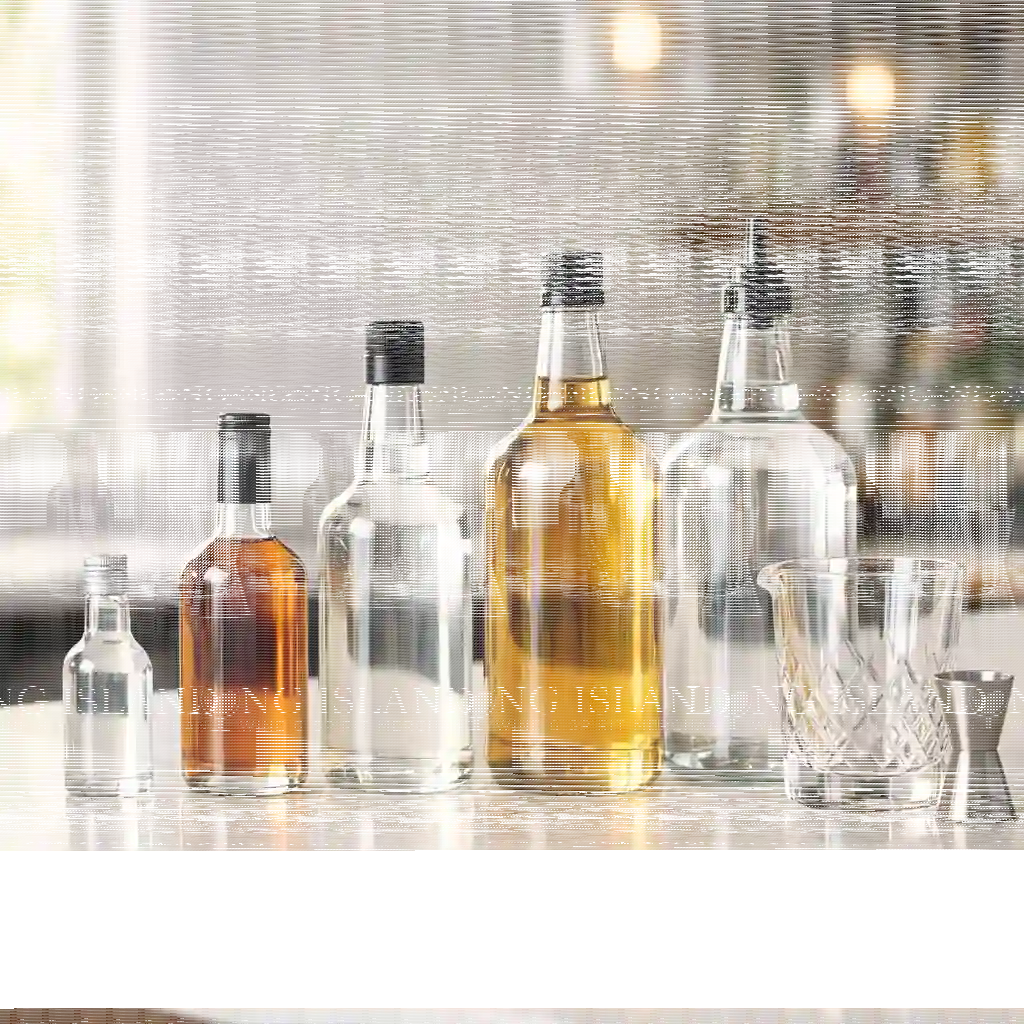
SizeMillilitersApprox. ouncesEvent noteMini bottle / airplane bottle50 ml1.7 ozSingle serveHalf pint liquor200 ml6.8 ozSmall-format usePint liquor375 ml12.7 ozCompact backupFifth of liquor / 750ml liquor750 ml25.4 ozStandard bottle1 liter liquor1000 ml33.8 ozBetter for volume1.75 liter liquor / handle of liquor1750 ml59.2 ozHigh-volume valueThe old bottle names still matter because many people still shop by them. A fifth is the classic name most readers recognize, and a handle is still the common term for 1.75 liters. For event planning, those labels are shorthand for quantity, not style.
If you’re comparing options for home bartending or a private event, the difference between a 750ml and a 1 liter bottle can be enough to reduce one or two emergency runs. That matters more than people expect when the bar gets busy. For a deeper breakdown, our home bar stock guide is a useful companion. You may also find how to read a liquor size chart for home bars helpful.
Why fifth of liquor, handle of liquor, double magnum, and the historical bottle names still matter for pricing per ounce
Historical bottle names still matter because they shape how buyers compare value. A fifth is now standardized to 750ml, which is very close to one-fifth of a gallon. A handle is 1.75 liters. Larger formats like jeroboam, rehoboam, methuselah, salmanazar, balthazar, and nebuchadnezzar are most often seen in wine and celebratory display formats, but the naming tradition still influences how people think about scale.
That matters for value comparison. When you calculate price per ounce, the bigger bottle often wins, but not always. A bigger bottle only makes sense if the spirit is part of the core menu and will be used fully. If a bottle is for a specialty garnish or a rare pour, smaller sizes may be smarter.
Here is the part most homeowners miss: proof and ABV also change perceived value. ABV means alcohol by volume. Proof is double the ABV in the US. A 40% ABV spirit is 80 proof. That helps you compare bottles, especially when you’re looking at multiple types of spirits. For authoritative alcohol guidance, the National Institute on Alcohol Abuse and Alcoholism offers clear public information on standard drinks and alcohol content.
What to stock for weddings, corporate catering, and backyard parties in Commack and across Long Island
The right stock list depends on the event format, but most successful bars start with a few essential spirits and then build around the menu. Weddings usually need broad coverage. Corporate events often need efficient classics. Backyard parties usually benefit from fewer brands, larger bottles, and a tighter cocktail list.
Choosing the right mix of vodka, whiskey, bourbon, gin, tequila, rum, vermouth, wine, and beer for different event formats
The best event mix is the one that matches your guest profile and drink menu. For mixed drinks, vodka, gin, tequila, and rum usually move fastest. Whiskey and bourbon are important for neat pours and classic cocktails. Vermouth, liqueurs, wine, and beer round out the bar so guests have options beyond one signature drink.
A practical starting point looks like this:
- Vodka for vodka sodas, martinis, and citrus drinks
- Whiskey and bourbon for old fashioneds, manhattans, and neat pours
- Gin for martinis and citrus-forward cocktails
- Tequila and mezcal for margaritas and agave-based drinks
- Rum and spiced rum for daiquiris, mojitos, and punches
- Sweet vermouth and dry vermouth for classic cocktails
- Wine, red wine, white wine, rosé, champagne, and sparkling wine for broader service
- Beer, craft beer, imported beer, domestic beer, hard seltzer, and canned cocktails for simpler crowd coverage
If you want bottle-size planning by spirit category, our vodka page and whiskey page are good places to start. For bourbon-heavy menus, the bourbon selection can help you narrow the right format.
A corporate setup in Commack often needs efficient pours and fewer decisions at the bar. A backyard party in Huntington may do better with one white spirit, one brown spirit, wine, and beer. The menu should stay simple enough that the bottles do not become the bottleneck.
The practical next move for bulk liquor, custom cases of wine, liquor delivery, and gift liquor when you need to buy liquor online
The smartest next move is to match bottle size to the event role, then order only what supports that role. Use bulk liquor for the drinks you know will pour fastest. Use custom cases of wine for the table service you know guests will actually drink. Use gift liquor and mini bottles for favors or curated add-ons.
If you’re buying through an online liquor store, look for a seller that makes bottle sizes easy to compare. That is the value of a focused shop like Shop Liquor Bottle Sizes: it keeps the choice centered on quantity, not just brand hype. We serve Commack, Long Island, and ship to all 50 states, which makes it easier to plan from one place.
For readers comparing event logistics, these pages may help:
If you are building a bar for an event and want a cleaner path than trial and error, start with the spirits you know will move fastest, then choose the bottle size that protects your service speed. Shop Liquor Bottle Sizes is built for that kind of decision. Browse the sizes, compare the bottles, and place your order online or arrange delivery from Commack, New York when you’re ready.
Frequently Asked Questions
Question: What are the best bottle sizes for cocktail catering and private events?
Answer: For most events, the best bottle sizes are a mix of 750ml liquor, 1 liter liquor, and 1.75 liter liquor. A 750ml bottle is the most versatile choice for standard cocktail service, a 1 liter bottle helps improve pour efficiency, and a 1.75 liter handle of liquor is usually the best value for high-volume bars. If you’re planning a wedding, corporate event, or backyard party, choosing the right liquor bottle sizes can make a big difference in bar inventory, pricing per ounce, and service speed. Shop Liquor Bottle Sizes helps customers compare standard bottle sizes so they can buy liquor online with more confidence, whether they are stocking vodka, whiskey, gin, tequila, rum, or vermouth for the event.
Question: How many shots in a bottle should I plan for when stocking a bar?
Answer: The standard planning number is based on a 1.5 oz shot size. Using that measure, a 750ml liquor bottle gives about 16 shots, a 1 liter liquor bottle gives about 22 shots, and a 1.75 liter liquor bottle gives about 39 shots. That is why ml to oz conversion matters so much when comparing liquor bottle sizes for events. If your guests are drinking cocktails quickly, it is often smarter to use fewer larger bottles for the fastest-moving spirits and keep 750ml bottles for flexibility. This approach helps with bar inventory, reduces bottle changes, and supports smoother service for cocktail catering and private events.
Question: What is the difference between mini liquor bottles, half pint liquor, pint liquor, and fifth of liquor for party planning?
Answer: Mini liquor bottles, also called airplane bottles or nip bottles, are best for favors, tasting tables, and controlled portions. Half pint liquor and pint liquor can work well as backup stock or for smaller gatherings. A fifth of liquor, which is the same as a 750ml liquor bottle, is the standard all-purpose size for home bar setups and event bars. If you’re planning a party, the best choice depends on how the bottles will be used: mini bottles for favors, 750ml bottles for mixed drinks, and 1 liter or 1.75 liter bottles for the most popular spirits. Shop Liquor Bottle Sizes is built to make that comparison easier, especially for customers looking for an online liquor store that focuses on practical bottle sizing rather than just brand names.
Question: Can Shop Liquor Bottle Sizes help me choose the right liquor size chart for a wedding or corporate event in Commack, NY?
Answer: Yes, Shop Liquor Bottle Sizes is a helpful option for anyone looking for a Commack liquor store or Long Island liquor store that understands event planning. The right liquor size chart depends on your guest count, cocktail menu, and whether you need vodka for cocktails, whiskey for mixing, gin for martinis, tequila for margaritas, or rum for punches. For weddings and corporate catering, it usually makes sense to stock essential spirits first, then add wine, beer, and specialty liqueur selections if needed. Because the store is based in Commack, New York and serves Long Island customers, it is a useful choice for local shoppers who want to compare liquor bottles, bulk liquor options, and buy liquor online without guessing which size is best.
Question: Why does pricing per ounce matter when comparing 750ml liquor, 1 liter liquor, and 1.75 liter liquor?
Answer: Pricing per ounce matters because the cheapest bottle on the shelf is not always the best value for an event. Larger bottles often provide a better value size comparison, especially when you know a spirit will be used heavily. A 1.75 liter handle of liquor usually offers more volume per bottle change, while a 1 liter bottle can be a smart middle ground for high-use spirits. If you’re building a home bar or planning cocktail ingredients for a private event, comparing by liquor size chart and cost per ounce helps you avoid overbuying or underbuying. Shop Liquor Bottle Sizes makes this easier by offering liquor bottle sizes that support smarter party planning, whether you need spirits for cocktails, wine for tables, or beer for general crowd coverage.


