
How to Compare Liquor Bottle Sizes for Catering Orders
October 26, 2026
You compare liquor bottle sizes for catering orders by matching ounces, shot count, and drink mix needs to your guest count, then checking pricing per ounce instead of the label. That is the fastest way to avoid running short, overbuying, or setting up a bar that looks full but pours too little.
Key Takeaways
- Bottle count alone is misleading. A catering order works better when you plan by ounces, shots, and the drinks you expect guests to order.
- Standard liquor bottle sizes matter. The most common formats are 50 ml, 100 ml, 200 ml, 375 ml, 750 ml, 1 liter, and 1.75 liter, with older nicknames like fifth, handle, pint, and half pint still used in conversation.
- Price per ounce is the cleanest comparison. Packaging, corks, and brand design can hide the real value of vodka, whiskey, bourbon, rum, gin, tequila, and wine.
- Mini bottles are great for favors or controlled pours. Larger bottles usually work better for bar inventory planning and full-service events.
- If you need help choosing sizes, an online liquor store with a focused size selection can make the math easier, especially for Long Island orders and nationwide shipping.
When the guest count jumps, bottle size math becomes the real party planner
The right liquor bottle size for catering is the one that matches your pour count, drink mix, and service style. If you guess by bottle count alone, you can end up short on the spirits people actually order, especially for cocktails. The better method is simple: estimate servings, convert milliliters to ounces, and map those ounces to your expected shot sizes.
A lot of people feel stuck here because the numbers are not intuitive. That is normal. One client in Suffolk County planned a backyard rehearsal dinner and thought “more bottles” would solve everything. It did not, because the bar ran through gin and tequila first while the wine barely moved. The fix was not more labels; it was better category planning.
Why a catering order fails when you guess by bottle count instead of ounces and shots
Bottle count can fool you because not every bottle has the same liquid volume. A 750 ml liquor bottle, a 1 liter liquor bottle, and a 1.75 liter liquor bottle all look similar on a shelf from far away, but they serve very different numbers of drinks. If you are building a bar for cocktails, your inventory should follow ounces, not shelf appeal.
Here is the part most people miss: the same crowd can drink very differently depending on the menu. A rum punch station needs more rum than a red-wine-heavy dinner. A vodka soda crowd uses less mixer per drink than a whiskey sour crowd. That is why bar inventory planning works best when you list the actual cocktails, then count the spirit ounces inside each recipe.
For standard pours, many bartenders use 1.5 oz as a baseline shot, though house pours can differ. The Alcohol and Tobacco Tax and Trade Bureau sets the framework for U.S. bottle standards, and those standards make your math easier when you compare sizes side by side.
How ml to oz conversion and standard bottle sizes change your budget, your bar setup, and your pour count
Milliliters to ounces tells you what a bottle really gives you. Once you know the conversion, you can compare mini liquor bottles, airplane bottles, nip bottles, half pint liquor, pint liquor, fifth of liquor, 750 ml liquor, 1 liter liquor, and 1.75 liter liquor without guessing. That matters for both budget control and physical setup, because a bar stocked with the wrong mix of sizes creates clutter fast.
Use this quick reference for standard bottle sizes:
Bottle sizeApprox. ouncesApprox. 1.5 oz shots50 ml1.7 oz1 shot100 ml3.4 oz2 shots375 ml12.7 oz8 shots750 ml25.4 oz16–17 shots1 liter33.8 oz22–23 shots1.75 liter59.2 oz39–40 shotsThat table is why the best liquor bottle size for parties is not always the biggest one. A handle of liquor can be efficient for a high-volume bar, but a smaller bottle may be smarter if you need several spirits in rotation. If you are comparing mixed categories, our size comparison guide is a useful place to start.
The bottle size map caterers actually use, from mini bottles to handles
Caterers usually choose bottle sizes by role, not by novelty. Mini bottles work for favors and controlled service. A 750 ml liquor bottle is the familiar standard. A 1 liter liquor bottle stretches the pour count. A 1.75 liter liquor bottle, often called a handle of liquor, is efficient for high-use spirits on busy bars.
This is especially useful when you are comparing wholesale liquor value with the realities of service. A bottle that looks small can be perfect for a specialty cocktail. A bottle that looks huge can be the wrong fit if you only need a few pours of a premium spirit. For Long Island event planning, that difference matters as much as the brand name.
Where mini liquor bottles, fifth of liquor, 750 ml liquor, 1 liter liquor, and 1.75 liter liquor fit in real event service
Mini bottles are best when you need portion control, guest favors, or tasting-style service. The classic fifth of liquor is the old name for one-fifth of a gallon, now standardized in practice as 750 ml. The 1 liter and 1.75 liter sizes are better for bars that expect repeated pours of the same spirit across the evening.
A simple way to think about it:
- Mini liquor bottles / airplane bottles / nip bottles: favors, sampling, gift bags
- 375 ml / half pint liquor: small gatherings, niche spirits, backup stock
- 750 ml / fifth: standard home and event use
- 1 liter: strong value size for active bars
- 1.75 liter / handle: best for heavy-use core spirits
For spirit-heavy events, compare your menu across vodka, whiskey, bourbon, rum, gin, tequila, mezcal, brandy, cognac, vermouth, amaro, and liqueur. A cocktail-forward party often needs fewer wine bottles and more base spirits. If you are building a favor table, our mini bottle guide can help you decide what belongs there.
When historical bottle names like jeroboam, methuselah, and nebuchadnezzar matter for wine and sparkling wine orders
Historical bottle names matter most for wine and sparkling wine, not standard liquor service. A jeroboam, methuselah, salmanazar, balthazar, and nebuchadnezzar are larger formats that show up in celebration wine orders, especially for champagne and sparkling wine. They are less about cocktail speed and more about presentation, celebration, and table service.
If you are ordering for a toast-heavy event, larger formats can reduce bottle-opening interruptions and make the table look polished. That said, they are not always the most practical choice for mixed bar service. A wine-only reception may benefit from bigger formats, while a cocktail bar usually needs more standard-size spirits. For more detail on wine-specific formats, see our wine size trends.
What the numbers say when you compare value by the ounce instead of the label
The cleanest way to compare liquor bottles is to divide price by ounces, then compare the cost of each pour. Packaging can make a small bottle look premium and a large bottle look like a deal, but the math tells the truth. This is the heart of value size comparison for catering orders. That same approach works across vodka, whiskey, bourbon, rum, gin, tequila, mezcal, brandy, cognac, wine, beer, and liqueur. The bottle shape does not matter. The actual ounces do. A prettier bottle can still cost more per ounce than a plain one, which is why event buyers should look past the label first. ### How to compare pricing per ounce across vodka, whiskey, bourbon, rum, gin, tequila, and wine without getting fooled by packaging 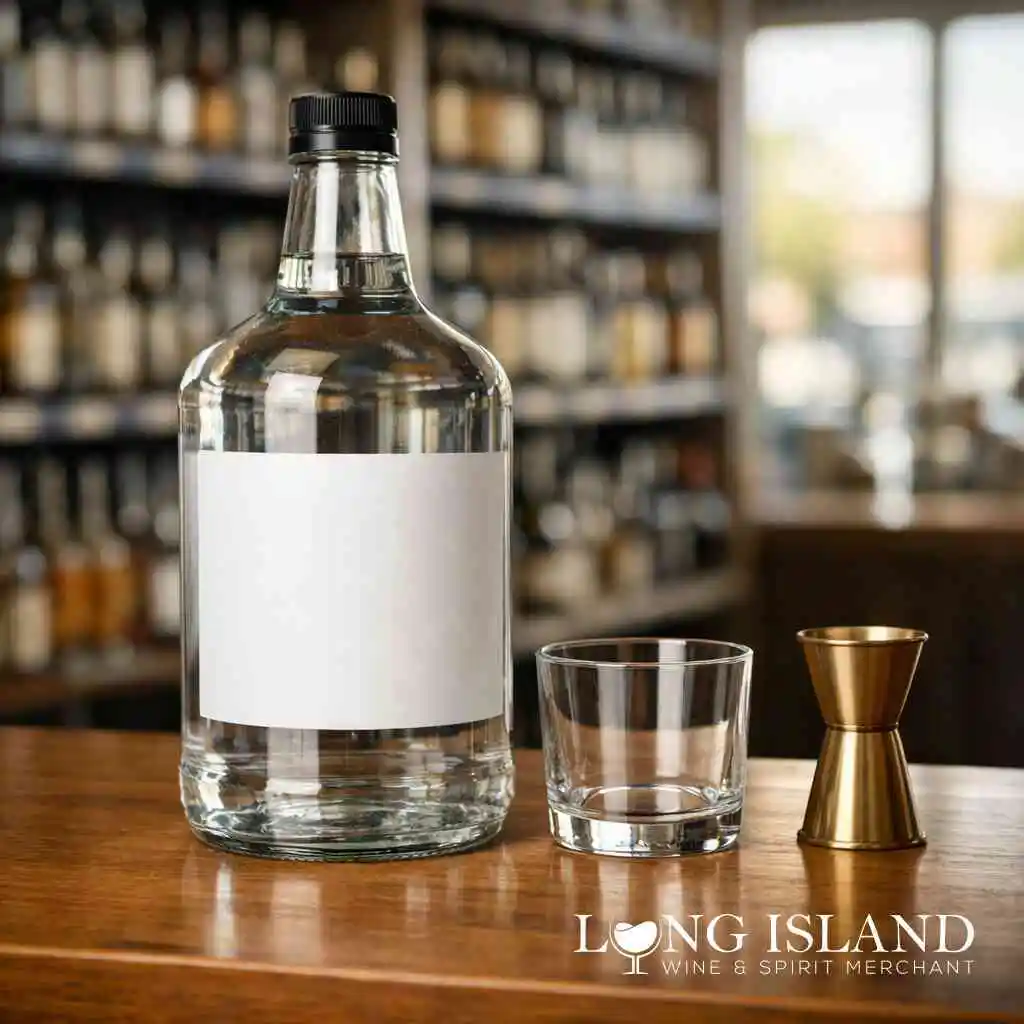
Start with the bottle size, then calculate ounces. A 750 ml liquor bottle gives you about 25.4 ounces, while a 1.75 liter bottle gives you about 59.2 ounces. If one bottle costs noticeably more but only gives you a few extra ounces, it may be a worse value than it first appears.
A practical comparison looks like this:
- Check the bottle volume in ml.
- Convert it to ounces.
- Divide the shelf price by the ounces.
- Compare that number across brands and sizes.
- Match the result to how your event actually drinks.
For example, vodka and tequila often make sense in larger formats when they are going into mixed drinks. Premium whiskey, bourbon, or cognac may be better in standard bottles if you only need a few specific cocktails. For category-level comparison, our brand and size guide is a good reference point.
If you are doing the math by hand, remember that ABV means alcohol by volume and proof is the strength label most people recognize. A higher proof does not mean more liquid. It means more alcohol in the same pour. The NIAAA alcohol guide is a solid reference if you want a clear explanation of how alcohol content affects serving size and consumption planning.
For Long Island buyers, this same logic applies whether you are shopping in Commack, comparing a Long Island liquor store, or arranging shipping liquor to all states where permitted by law. If you want a more focused browse, Shop Liquor Bottle Sizes keeps the sizing side simple, and that saves time when you are balancing party planning, bar inventory, and a mixed menu.
Frequently Asked Questions
What are the standard liquor bottle sizes in the US?
The most common U.S. liquor bottle sizes are 50 ml, 100 ml, 200 ml, 375 ml, 750 ml, 1 liter, and 1.75 liter. In everyday language, you will also hear mini bottles, airplane bottles, nip bottles, pint, fifth, and handle. The exact label on the shelf can vary, but those are the sizes most buyers compare for events, home bars, and catering orders.
Is a half gallon the same as a handle?
Yes, in common liquor language, a handle of liquor usually means 1.75 liters, which is close to a half gallon. It is the large bottle with a handle built into the glass or plastic shape. For catering, it is often useful for high-demand spirits like vodka, rum, gin, or tequila.
How many 1.5 oz shots are in a 750ml bottle?
A 750 ml bottle holds about 25.4 ounces, which gives you about 16 to 17 shots at 1.5 ounces each. If your pours are heavier, the count drops fast. That is why shot size matters just as much as bottle size in bar inventory planning.
Does Shop Liquor Bottle Sizes ship mini bottles?
Shop Liquor Bottle Sizes offers shipping in all 50 states, but alcohol shipping laws can affect what can be sent where. Availability can also vary by product and location, so it is best to check the site directly before ordering. If you are in Commack or elsewhere on Long Island, local ordering can also be an option.
Which size is best for a wedding toast?
For a toast, the best size depends on how many people will pour and whether you want individual servings or one shared bottle. Mini bottles work well for favors or assigned place settings. 750 ml and larger wine or sparkling wine bottles work better when servers are pouring at the table.
How do I choose between a fifth and a liter for cocktails?
Choose the fifth of liquor if you need a standard amount for a few recipes or a smaller gathering. Choose a 1 liter liquor bottle if the spirit will be used repeatedly in cocktails and you want a better value per ounce. For catering, the better choice is usually the one that matches your recipe count, not the one that looks bigger on the shelf.
If you are ready to compare bottle sizes for a real order, browse the size-focused selection at Shop Liquor Bottle Sizes and match your cart to your guest count before you finalize the menu. You can order online from our Commack liquor store, or use the site to plan a smarter pickup or delivery order with the right bottles from the start.


