
Top 7 Long Island Liquor Bottle Sizes for Fall Catering 2026
October 13, 2026
You need to buy liquor for a fall party, but the bottle sizes feel oddly complicated. That stress is real. If you are planning catering in Commack, across Long Island, or anywhere you need liquor delivery, the right size can save money, storage space, and last-minute panic. At Shop Liquor Bottle Sizes, we see this question all the time from hosts who want the bar to feel smooth, not overbuilt. The good news is that liquor bottle sizes follow a logic you can actually use.
1) Why a fifth still matters when you are feeding a fall crowd
How the old fifth became the modern 750ml liquor bottle
A fifth is still one of the most practical liquor bottle sizes for event planning. Historically, it meant one-fifth of a gallon, which worked out to about 757 ml. Today, the standard 750ml liquor bottle took that place in a cleaner, regulated form. That small shift matters because standard bottle sizes make planning simpler for both hosts and bar staff. If you want a useful starting point, a fifth gives you a familiar benchmark for cocktail math and pour counts.
Here is the part most people miss: the fifth is not “small” in catering terms. It is simply efficient. For mixed drinks, 750ml liquor bottles are often enough when you are serving a focused menu with one or two signature cocktails. A local customer from Smithtown once needed bottles for a backyard dinner with bourbon apple spritzes and a simple vodka soda station. The 750ml format fit neatly, and the bar never felt cluttered.
Why standard bottle sizes make catering math easier than guesswork
A liquor size chart is not just for spreadsheets. It helps you match headcount to real-world bottle use. Standard bottle sizes keep you from overbuying one spirit and running short on another. When you compare 750ml, 1 liter liquor, and 1.75 liter liquor, the math gets much easier. That is especially true when you are balancing cocktail ingredients, ice, and mixers.
You can also use standard bottle sizes to compare value size comparison without getting lost in marketing language. A fifth often works well for smaller gatherings, while a liter helps for moderate volume. If you are checking standard bottle sizes for fall party planning on Long Island, keep the bar menu in mind before you chase the biggest bottle. What looks cheapest per bottle is not always best per ounce. That difference matters.
When a 750ml bottle beats a handle for mixed drink service
A handle of liquor sounds efficient, and sometimes it is. Still, a 750ml bottle can beat a handle when you want variety, speed, and fewer open bottles sitting around. Mixed drink service often moves faster when the bar can swap between spirits cleanly. Smaller standard bottle sizes help bartenders track what is moving and what is not. That makes sense for fall catering, where bourbon, gin, and vodka may all appear on the same menu.
For many hosts, a 750ml bottle is the sweet spot between control and convenience. It is large enough to matter, but small enough to stay flexible. If you are comparing a fifth against a liter, the decision often comes down to your cocktail list and guest count. For a deeper breakdown, see 750ml liquor bottles for mixed drink service. It is a smart place to start before you buy liquor online.
How many shots in a bottle changes once ice, juice, and mixers enter the picture
People ask about how many shots in a bottle as if it were a fixed answer. It is not. Shot sizes, ice, juice, and mixers all change real service volume. A 1.5 oz shot is the bartender standard in many settings, but cocktails rarely pour like a neat shot. Once cranberry, soda, sour mix, or tonic enters the glass, the bottle goes further than the raw count suggests.
A simple rule helps: more mixers means more drinks per bottle. That is why pricing per ounce matters more than bottle sticker size alone. If you want a quick reference, how many shots in a bottle for catering and bar inventory gives a practical framework. In our experience, the biggest mistake is planning by bottle count instead of by cocktail count. That mistake costs hosts more than they expect.
2) The 1 liter pour that keeps a bar moving without looking overbuilt
Where 1 liter liquor fits in a Long Island catering lineup
A 1 liter liquor bottle sits in a very useful middle ground. It is larger than a fifth, but it does not feel oversized for most catered events. On Long Island, where hosts often balance backyard dining, office parties, and holiday receptions, that middle ground matters. It keeps a bar moving without making the setup look like a warehouse shelf. For many hosts in Suffolk County, this size simply makes sense.
You can place 1 liter bottles in the center of a bar inventory plan. They are practical for essential spirits, especially when the menu stays focused. They also pair well with 1 liter liquor bottles for party bars and value comparison. If you are trying to keep your setup clean, one liter is often the quiet value play. It looks intentional, not excessive.
Pricing per ounce and why this size often feels like the quiet value play
The smartest buyers think in pricing per ounce. That approach helps you compare liquor bottle sizes with real accuracy. A 1 liter bottle usually improves value size comparison without jumping all the way to a handle. You may pay more upfront than for a 750ml bottle, but you often get better efficiency per pour. That matters when you are stocking a home bar or managing a party bar.
Here is a useful way to think about it: if a spirit is moving quickly, the larger format usually lowers handling time and reduces waste. If it is a slow mover, a liter can still feel manageable. A local host near Huntington told us they wanted enough tequila for margaritas, but not so much that unopened bottles piled up. A 1 liter format solved that problem neatly. That is the kind of planning that keeps a bar calm.
Which types of spirits make the most sense in a liter format
Not every spirit needs the same bottle strategy. Vodka, gin, rum, whiskey, bourbon, and tequila all work well in liter formats when the cocktail list is steady. Amaro and vermouth can fit too, especially if your menu includes spritzes or lower-ABV drinks. For many fall events, the spirit choice matters as much as the bottle size. A liter is most useful when a bottle will see repeated pours.
If you are building a seasonal menu, this size works especially well for whiskey and bourbon bottle planning for fall menus and for clean mixed drink service. The best approach is to match spirit type to guest preference. A crowd that prefers whiskey cocktails will drain a liter faster than one that leans toward wine. You do not need every size on the shelf. You need the right ones.
When a liter helps your bar inventory stay clean and consistent
A tidy bar inventory is easier to run and easier to restock. One liter bottles help because they reduce the number of half-open bottles floating around the service area. That matters for events with multiple cocktail ingredients. It also matters when staff need to identify what is running low at a glance. Consistency is the hidden advantage here.
If your event includes multiple bar zones, a liter can simplify the whole plan. It gives you enough volume without turning the setup into a sea of oversized glass. For many hosts who buy liquor online, that balance feels just right. The bottle is practical, but not bulky. That is a good sign you picked well.
3) Handles are not just for house parties when the guest list gets real
What a 1.75 liter liquor bottle means for high-volume fall events
A 1.75 liter liquor bottle, also called a handle of liquor, is the heavy lifter. It makes sense when your guest list is large, your cocktail demand is steady, and your service window is long. For high-volume fall events, a handle reduces refill trips and keeps the bar from slowing down. It also helps with planning because the volume is easy to estimate. You can build the bar around fewer, larger anchors.
This size is especially useful for vodka, whiskey, rum, and tequila. Those spirits often appear in crowd-pleasing cocktails that disappear fast. If you are comparing a handle against 1.75 liter handle liquor for high-volume event service, think about how many separate bottles your bar staff would otherwise need to open. The larger format can lower friction during service. That matters when people are waiting in line.
When a handle of liquor is smarter than stacking smaller bottles
Sometimes a handle is simply the smarter operational choice. If you know one spirit will carry a major share of the bar, stacking smaller bottles creates clutter. It also increases the chance of bottle swaps during a rush. A handle cuts that down. That is a practical advantage, not a flashy one.
I saw this happen at a family reunion-style event on Long Island where bourbon was the clear favorite. The team had three smaller bottles ready, but one handle would have been cleaner and faster. They spent more time replacing bottles than pouring drinks. That is exactly the kind of hidden inefficiency that shows up at catered events. Here, large-format planning saves the night.
The mixer-heavy cocktail ingredients that make large formats disappear fast
Cocktails built with soda, juice, tonic, and sour mix make liquor disappear quickly. That is why large formats do not feel excessive in the right setting. Margarita bars, vodka-cranberry stations, and rum punches can move through liquor faster than guests expect. Large bottles support volume without constant restocking. That is especially true when ice and citrus dilute each pour.
Think about your cocktails, not just your spirits. A strong pour on paper may turn into a long, mixer-heavy drink in the glass. For many hosts, that means handles are not overkill at all. They are the right answer for service flow. If you want to compare serving patterns, the math becomes clearer when you review liquor and alcohol serving basics for event bars. The pattern is usually more predictable than it seems.
How to compare a handle against mini liquor bottles for service flow
A handle and mini bottles solve very different problems. A handle is about volume and speed. Mini liquor bottles are about control, sampling, and presentation. If you only look at bottle count, you miss the service logic. A handle keeps the main bar moving. Minis help with portions and secondary stations.
For example, a tasting table may benefit from mini liquor bottles for favors and controlled portions, while the main bar needs handles. That split is often the best solution. It keeps the visual setup elegant and the operational flow efficient. For fall catering in Commack or across Long Island, that balance is hard to beat. It feels prepared, not busy.
4) Mini bottles are the secret weapon for favors, tastings, and controlled portions
Why nip bottles and airplane bottles work for fall catering layouts
Mini liquor bottles, nip bottles, and airplane bottles work because they solve portion control instantly. They are useful for tastings, gift bags, and pre-set favor tables. They also help when you want guests to sample without opening a full bottle. That makes them ideal for fall weddings, corporate events, and harvest parties. The layout stays tidy, and the portions stay predictable.
Many hosts prefer minis because they feel personal. They also reduce waste. If you are exploring mini liquor bottles for favors and controlled portions, think about how guests will actually use them. Minis shine when the drink is simple or when the bottle is part of the presentation. They are small, but they carry a lot of planning value.
How mini liquor bottles help with favors, samplers, and poured-to-order stations
Mini liquor bottles can do more than sit in a basket. They can anchor samplers, tasting flights, and controlled-pour stations. That makes them useful for hosts who want guests to try multiple spirits without opening too many full-size bottles. They are also popular for favors because they travel well and feel intentional. Small format, big impact.
A client planning a fall fundraiser in the New York metro wanted something memorable but not overdone. Minis gave them that middle ground. They used them in gift boxes and on a tasting table, then kept the main bar stocked separately. It worked because the guest experience felt curated. That is a common win with mini bottles for favors. The trick is placing them where they serve a purpose.
When half pint liquor and pint liquor sizes make sense instead of a larger bottle
Half pint liquor and pint liquor sizes can be useful when minis are too small and full bottles are too much. They are a strong fit for smaller satellite stations, private tastings, or low-volume bar categories. If one spirit is popular but not dominant, this middle ground can reduce waste. It also makes your inventory easier to rotate. That is useful for home bartending and seasonal liquor planning. 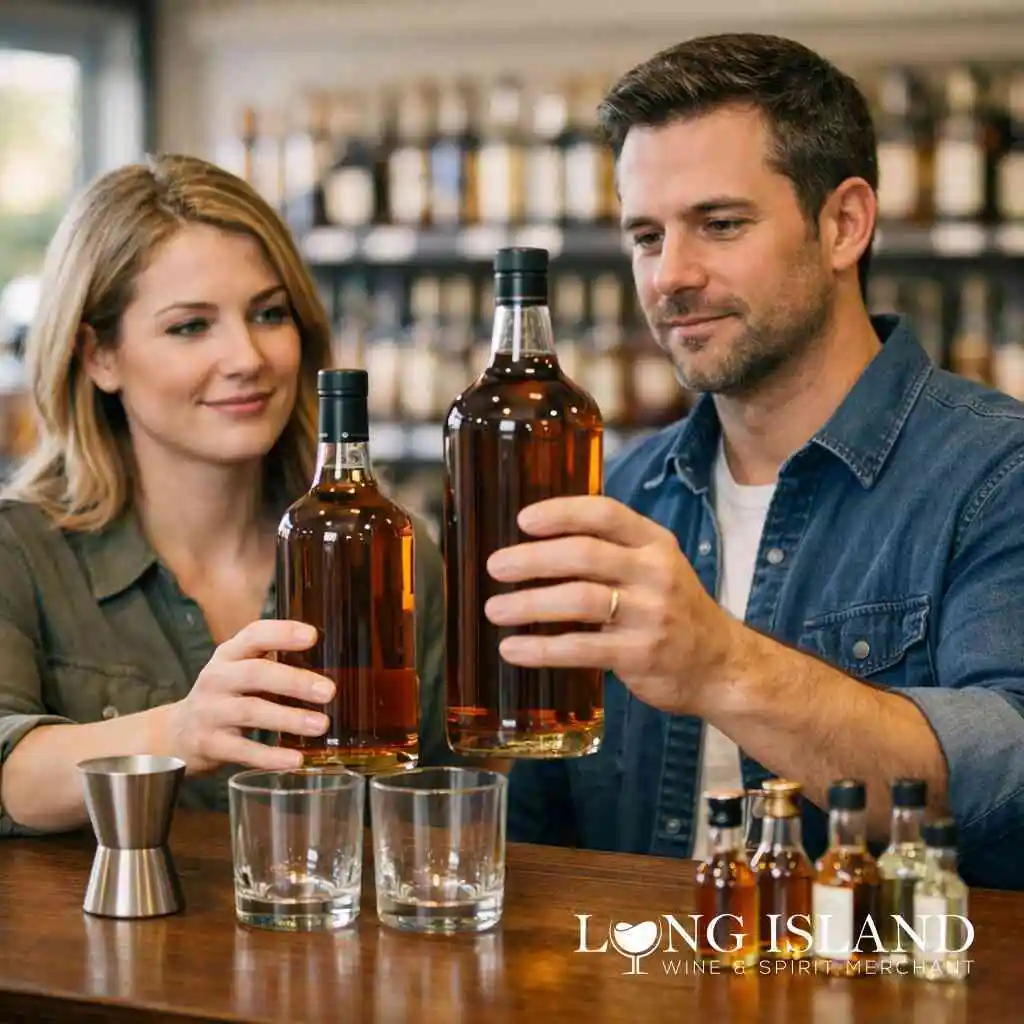
The best guide is simple: use half pint and pint sizes when you want flexibility without committing to a full bottle. They are especially helpful for unique spirits like amaro, vermouth, or liqueur. If you need a deeper size breakdown, see half pint and pint liquor sizes for event portions. That will help you compare them against standard bottle sizes with less guesswork.
The guest experience difference between pre-portioned service and open-bar pours
Guests notice when a bar feels organized. Pre-portioned service creates that feeling. Open-bar pours can be fast and friendly, but they also create more spill risk and slower decision-making. Minis and small bottles make certain service points cleaner. That is useful when you want a polished feel without a formal tone. It keeps the experience moving.
There is also a practical side. Pre-portioned bottles reduce debate at the bar. People choose, sip, and move on. That works especially well for mixers, favors, and tasting stations. If you are trying to keep service elegant, smaller formats help. They are not just cute. They are functional.
5) Champagne and sparkling wine deserve their own bottle size strategy
Why sparkling wine behaves differently than still wine at catered events
Champagne and sparkling wine are not handled like still wine. They are more pressure-sensitive, more celebration-driven, and often poured faster. That means bottle size strategy matters more than people think. A sparkling wine table can empty quickly if the toast runs long or the crowd lingers. For that reason, your size plan should reflect both volume and occasion.
Sparkling wine also changes pacing. Guests tend to pour it more generously. The bubbles encourage it. If you are planning harvest-season service, sparkling wine for harvest-season catering is worth thinking through separately from red or white wine. It is not just another bottle on the list. It is often the moment guests remember most.
When 750ml bottles are enough and when cases of wine make more sense
A 750ml bottle may be enough for small to medium gatherings, especially when champagne is only for a toast. But if sparkling wine is part of the full reception, cases of wine often make more sense. That is where volume planning beats intuition. A few extra guests can change the count quickly. You do not want to be short on the most visible pour of the evening.
Still wine deserves the same attention. A smart wine plan may include red wine, white wine, and rosé alongside sparkling options. If you need support with wine cases service for catered events on Long Island, that can simplify ordering. It also makes the bar feel more complete without cluttering the setup. Cases are about certainty, not excess.
How rosé and white wine fit into harvest-season menus and late-afternoon pours
Rosé and white wine often carry the late-afternoon part of a fall menu. They pair well with lighter dishes, early arrivals, and guests who want something less spirit-forward. That makes them ideal for mixed-age gatherings and outdoor events. They also balance heavier food without overpowering it. In that sense, they are quiet workhorses.
The beauty of wine is that it changes the tone of the bar. It gives non-cocktail drinkers an easy option. It also keeps the event from feeling one-dimensional. A spread with red wine, white wine, rosé, and sparkling wine feels thoughtful. That is especially true in Long Island catering, where guests may move between food, cocktails, and dessert stations.
What wine delivery and wine cases service can change for Long Island hosts
Wine delivery can remove a lot of stress from the planning process. It saves store trips, helps with volume planning, and keeps your orders aligned. For hosts in Commack and across Suffolk County, that convenience matters. It is even more useful when you are balancing food, rentals, and guest lists at the same time. One fewer errand can make a big difference.
If you are comparing pickup to alcohol delivery near me on Long Island, think about timing and storage. Cases are easier to stack, easier to count, and easier to assign to stations. That makes the bar look professional from the start. It also keeps you from scrambling on event day. A calm setup usually starts with the order being right.
6) Whiskey, bourbon, and tequila are the backbone of a fall cocktail station
Which spirits earn prime shelf space in a seasonal catering bar
Some spirits simply belong at a fall bar. Whiskey, bourbon, tequila, vodka, rum, gin, and mezcal are the usual anchors. Brandy and cognac can also earn shelf space, especially for richer seasonal menus. The key is knowing which spirits your guests actually drink. Essential spirits should earn the best placement, not the most decorative one.
For a focused bar, start with vodka and tequila spirit selections for catering and then layer in whiskey. That gives you coverage across the broadest guest preferences. It also keeps the setup from becoming too complicated. A good bar is not crowded. It is balanced.
How bourbon, whiskey, rye, gin, vodka, rum, tequila, and mezcal compete by pour count
Pour count is the real test. Bourbon and whiskey often lead for fall because they anchor old fashioneds, Manhattans, and simple highballs. Vodka and gin stay relevant because they work across a wide range of drinks. Tequila and mezcal pull strong at cocktail-forward events. Rum remains valuable whenever sweet, spiced, or citrus-driven drinks are on the menu.
A useful comparison looks like this:
SpiritBest useTypical demand patternBourbonOld fashioneds, ManhattansStrong in fallWhiskeyNeat pours, mixed drinksSteady to strongVodkaFlexible mixed drinksConsistently highTequilaMargaritas, ranch waterHigh at cocktail barsRumSpiced or tropical mixesModerate to highGinCrisp, botanical cocktailsModerateMezcalSpecialty cocktailsLower, but importantThat kind of planning helps you stock a bar without overbuying one category. It also prevents the classic mistake of letting one bottle dominate the menu.
Why ABV and proof matter when you are planning strong drinks versus light sippers
ABV means alcohol by volume. Proof is the number tied to that strength in a simple U.S. system. Those numbers matter because a higher-proof spirit changes how fast a bottle disappears. They also affect how guests experience the drink. A strong cocktail can use fewer ounces of liquor than a lighter one, but it may feel more intense.
This is where bartender knowledge helps. A strong rye cocktail and a light spritz do not pull the same volume from the bottle. If you are comparing spirits, think about proof, mixer ratio, and guest pace. Those three factors shape real consumption more than the label does. The cleaner your math, the less waste you create.
How to stock a bar for Manhattan-style gatherings without overbuying one spirit
For Manhattan-style gatherings, whiskey and vermouth usually deserve priority. But that does not mean you should overbuy whiskey and ignore the rest. A smart bar plan spreads the load across vodka, gin, tequila, and perhaps a little rum or amaro. That gives guests options while keeping inventory stable. It is a quieter kind of efficiency.
One customer in the New York metro wanted a polished whiskey-forward menu but worried about running out of vodka for less adventurous guests. The solution was simple: anchor the bar with bourbon and whiskey, then support it with a balanced secondary set. That kept the event looking intentional. It also avoided waste. Good planning is often about restraint.
7) The bottle-size decision that makes Commack caterers look effortlessly prepared
How to build a liquor size chart for parties from cocktail volume and headcount
A liquor size chart starts with headcount, not bottles. Estimate how many drinks each guest might have, then decide which cocktails will carry the event. From there, match bottle sizes to those pours. This is how you turn liquor bottle sizes into a real plan. It is much better than guessing at the register.
Here are the essentials to track:
- Guest count
- Drink styles
- Spirit mix
- Glass size
- Mixer volume
- Storage space
When you build from those six points, the result is much cleaner. It also helps you compare best liquor bottle size for parties on Long Island without making the choice feel abstract. That is the goal: clear, not complicated.
When a Long Island liquor store with liquor delivery beats last-minute store hopping
There is a special kind of frustration that comes from realizing you are short on bottles the day before an event. We hear that more often than people admit. A Long Island liquor store with liquor delivery can solve that problem before it starts. It gives you a chance to plan, compare, and order with less pressure. That matters when you are juggling food, seating, and guests.
For Commack hosts, local access is helpful, but consistency is even better. If you are comparing pickup with Long Island liquor store for event pickup and delivery, look for the option that reduces your moving parts. The right order makes event day calmer. That is worth more than a rushed store run, especially in fall traffic.
Why buy liquor online can be the easiest move for Suffolk County and the New York metro
Buy liquor online is not just convenient. It is often the simplest way to compare bottle sizes, order in categories, and avoid duplicate purchases. That is especially true when you need shipping liquor to all states for broader planning, or local delivery for a Long Island event. The process saves time and lowers the chance of missing a key size. It also gives you a clearer inventory picture.
If you are handling an event in Suffolk County or the New York metro, online ordering can keep the whole plan organized. It works especially well when you need bottles, mixers, or gift liquor together. For people who want to keep it simple, this is usually the most efficient route. You can review products, select sizes, and keep moving. That is how preparation should feel.
How to choose between bulk liquor, gift liquor, and seasonal liquor gifts for the next event
Bulk liquor works best when the event is about service volume. Gift liquor works better when presentation matters. Seasonal liquor gifts sit in the middle, combining usefulness with a little polish. Your choice depends on whether the bottle is for pouring, giving, or displaying. That distinction is more important than many hosts realize.
If you are putting together holiday liquor gifts or custom cases, think about the audience first. A bar setup and a gift table are not the same problem. For the former, bulk and standard bottle sizes win. For the latter, smaller formats and presentation boxes make more sense. Shop Liquor Bottle Sizes can help you line up the right mix without overcomplicating it. Start with one call, one cart, or one delivery order, and build from there.
Here is what almost no online guide mentions: the best bar plan feels boring once it is set. That is a good thing.
Frequently Asked Questions
Question: What is the best liquor bottle size for parties when I am planning fall catering in Commack or across Long Island?
Answer: The best liquor bottle size for parties depends on your guest count, cocktail ingredients, and how many drinks you expect each person to have. For smaller gatherings or focused cocktail menus, a fifth of liquor or 750ml liquor bottle is often a practical choice. For moderate volume, 1 liter liquor usually gives better pricing per ounce and a cleaner bar inventory setup. For higher-volume service, a 1.75 liter liquor bottle, also known as a handle of liquor, can reduce refill trips and keep the bar moving. If you are building a liquor size chart for fall catering, the smartest move is to match standard bottle sizes to the drinks you actually plan to serve rather than guessing by bottle count alone. Shop Liquor Bottle Sizes helps hosts compare liquor bottle sizes in a way that feels simple, organized, and useful for real party planning.
Question: How does Top 7 Long Island Liquor Bottle Sizes for Fall Catering 2026 help me compare 750ml liquor, 1 liter liquor, and 1.75 liter liquor more confidently?
Answer: That guide is designed to make liquor bottle sizes easier to understand in a real event setting. It explains how standard bottle sizes work, why a 750ml liquor bottle still matters, when 1 liter liquor becomes the quiet value play, and when a 1.75 liter liquor bottle is the better fit for larger events. It also helps with ml to oz conversion, shot sizes, and how many shots in a bottle, which makes it easier to estimate bar inventory without overbuying. If you are comparing a fifth of liquor against a handle of liquor, or trying to decide whether mini liquor bottles or pint liquor sizes fit better, the guide gives you a practical framework instead of guesswork. That is exactly the kind of clarity many hosts want from a trusted online liquor store and Long Island liquor store.
Question: When should I use mini liquor bottles, airplane bottles, nip bottles, or half pint liquor for catering and guest favors?
Answer: Mini liquor bottles, airplane bottles, and nip bottles are ideal when portion control, presentation, and convenience matter most. They work especially well for mini bottles for favors, tasting tables, gift liquor, and controlled service stations where you do not want to open full-size bottles. Half pint liquor and pint liquor can be helpful when you need something larger than minis but smaller than a standard bottle, especially for specialty spirits like amaro, vermouth, or liqueur. These smaller formats can make event layouts feel more polished while also helping reduce waste. For hosts who want a thoughtful presentation and a smoother guest experience, Shop Liquor Bottle Sizes offers the kind of bottle selection that makes home bar planning and catering service much easier.
Question: Which types of spirits should I prioritize for a fall bar menu, and how do whiskey, bourbon, tequila, vodka, gin, and rum compare by pour count?
Answer: For fall catering, the essential spirits usually include whiskey, bourbon, vodka, tequila, gin, rum, and sometimes mezcal, brandy, or cognac depending on the menu. Bourbon and whiskey are especially strong choices for seasonal cocktails like old fashioneds and Manhattans, while vodka and tequila tend to stay popular because they work in a wide range of mixed drinks. Gin, rum, and mezcal can round out the menu for guests who want something more specific. Pour count matters because a mixer-heavy cocktail with soda, juice, or tonic will use liquor differently than a neat pour or short drink. That is why planning with a liquor size chart is so helpful. It lets you compare ABV, proof, and cocktail style so you can stock the right liquor bottles without overbuying one spirit and running short on another.
Question: Can I buy liquor online from Shop Liquor Bottle Sizes for Long Island liquor delivery, and does that help with bar inventory and event planning?
Answer: Yes, buying liquor online is often the easiest way to keep party planning organized, especially when you need a mix of liquor bottle sizes, wine, beer, or seasonal liquor for a catered event. For hosts in Commack, Suffolk County, and across Long Island, online ordering helps you compare standard bottle sizes, build a cleaner bar inventory, and avoid last-minute store hopping. It is also useful when you want to plan around liquor delivery instead of making multiple trips to a Long Island liquor store. Shop Liquor Bottle Sizes focuses on helping customers choose the right bottles for the event, whether that means bulk liquor for volume, gift liquor for presentation, or a balanced mix of essential spirits for a fall cocktail station. The result is usually simpler, calmer, and more efficient.


