
Metric to Imperial Liquor Bottle Sizes Conversion for 2026
June 4, 2026
Decoding the Language of Spirits and Glassware
Buying liquor for a party requires a solid grasp of container volumes. You need to know which bottle size makes sense for your needs. Let’s sort that out by exploring the standard measurements found in every well-stocked home bar. Whether you are stocking up on vodka, whiskey, or tequila, understanding the volume of your purchase prevents overspending and ensures your guests have enough to enjoy. Our team at Long Island Wine & Spirit Merchant sees many customers struggle with these conversions, which is why we created this guide. Familiarizing yourself with these details is the first step toward becoming a confident home bartender.
Why Understanding Bottle Volume Matters for Your Home Bar
A well-curated home bar relies on knowing exactly how much liquid you have on hand for every occasion. When you understand your inventory, you can easily plan for house parties, quiet evenings, or large celebrations. Having a clear idea of standard liquor bottle sizes in 2026 allows you to make informed decisions about what to buy in bulk versus what to keep as a special treat. Nobody wants to run out of gin or bourbon right when the party reaches its peak. By learning these volumes, you save money and space while maintaining a versatile selection of spirits for any cocktail recipe.
The Evolution of TTB Standard Sizes in America
The United States government, specifically the Alcohol and Tobacco Tax and Trade Bureau (TTB), standardized liquor bottle sizes to bring clarity to the retail market. Historically, bottles varied wildly, making price comparisons difficult for the average consumer. These regulations now mandate that manufacturers use specific metric volumes for all spirits, wine, and beer distributed across the country. This shift to the metric system helped harmonize American standards with global markets, simplifying trade and consumer expectations. Understanding these regulatory categories helps you identify the actual value you receive when you buy a bottle off the shelf.
From Metric Milliliters to Imperial Ounces
While we buy bottles in milliliters, most of us still think about cocktail pours in fluid ounces. Mastering the metric to imperial liquor volume guide is a secret weapon for any home mixologist looking to balance their recipes perfectly. A standard 750ml bottle, for instance, contains roughly 25.4 fluid ounces. Converting these numbers in your head might seem tricky, but once you memorize a few benchmarks, it becomes second nature. This knowledge helps you track your consumption, manage cocktail ratios, and ensure you are getting the value you expect from your favorite brands.
The Anatomy of a Liquor Bottle Size Chart
A liquor size chart is your best friend when you are planning an event or simply stocking your cabinets for the season. Understanding the physical volume of a fifth versus a handle can change your shopping strategy entirely. We see many customers at our Commack, New York location trying to decide if one large bottle or several smaller ones will best suit their specific needs. By breaking down the anatomy of these common containers, you gain the confidence to shop like a pro. From tiny airplane nips to impressive handles, every size serves a purpose in your home bartending arsenal.
Defining the Fifth and the Handle
The term “fifth” is a classic in the industry, originating from the days when bottles held one-fifth of a gallon. Today, that translates to the standard 750ml bottle, which is the most common size for most spirits like rum or cognac. On the other hand, the “handle” is the industry nickname for the large 1.75-liter bottle, named because the vessel usually features a literal handle for easy pouring. Handles are the gold standard for bulk purchasing because they offer a better price per ounce for high-volume spirits. Deciding between these two depends on your storage space and how frequently you serve drinks to friends.
Mini Liquor Bottles and Airplane Nips Explained
Mini liquor bottles, often called nips or airplane bottles, usually contain 50ml of spirit, making them perfect for individual portions. These tiny containers are fantastic for trying out new brands like a rare mezcal or an expensive armagnac without committing to a full bottle. They also serve as adorable party favors for weddings or events hosted in places like Smithtown or Huntington. Because they are pre-measured, they take the guesswork out of simple one-shot cocktails. If you are looking to build a variety pack for a gift, mini bottles offer the most flexibility and fun.
Historical Bottle Names and Their Modern Equivalents
Throughout history, large-format glass bottles were given grand names that still occasionally surface in wine circles, such as the double magnum, jeroboam, or methuselah. While these names are mostly used for champagne or massive wine bottles, the logic of sizing remains consistent for high-end spirits. Understanding these traditional names gives you a better appreciation for the glassware used to store premium whiskies or aged tequilas. Whether you are pouring a standard drink or hosting a gala, knowing your vessel size adds a touch of professionalism to your service. We love sharing these stories at our store in Suffolk County because they connect us to the long, rich traditions of the spirit industry.
Calculating Your Pour and Party Inventory
Planning a party in a place like Long Island requires precise math to keep your bar running smoothly. You need to know how many drinks you can squeeze out of each bottle to avoid last-minute trips to the store. Our customers often ask for advice on how to calculate their needs, and we always suggest starting with the guest count and the expected duration of the event. By mastering the conversion of milliliters to shots, you eliminate the risk of running dry while keeping your budget in check. Accurate planning is the difference between a successful gathering and a stressful evening.
How Many Shots Are Really in a Bottle
Determining how many shots are in a bottle is an essential skill for any home host or professional. A standard 1.5-ounce shot is the universal measurement for most cocktails, and a 750ml bottle contains approximately 17 shots. If you are serving a crowd, a 1.75-liter handle will give you about 40 shots, making it the most efficient choice for batching drinks. Always consider the ABV, or alcohol by volume, when mixing, as higher proof spirits may require slightly different dilution ratios in your shaker. Keeping these numbers in mind ensures every guest gets a consistent and balanced pour every time.
Mastering the Metric to Imperial Conversion for Mixology
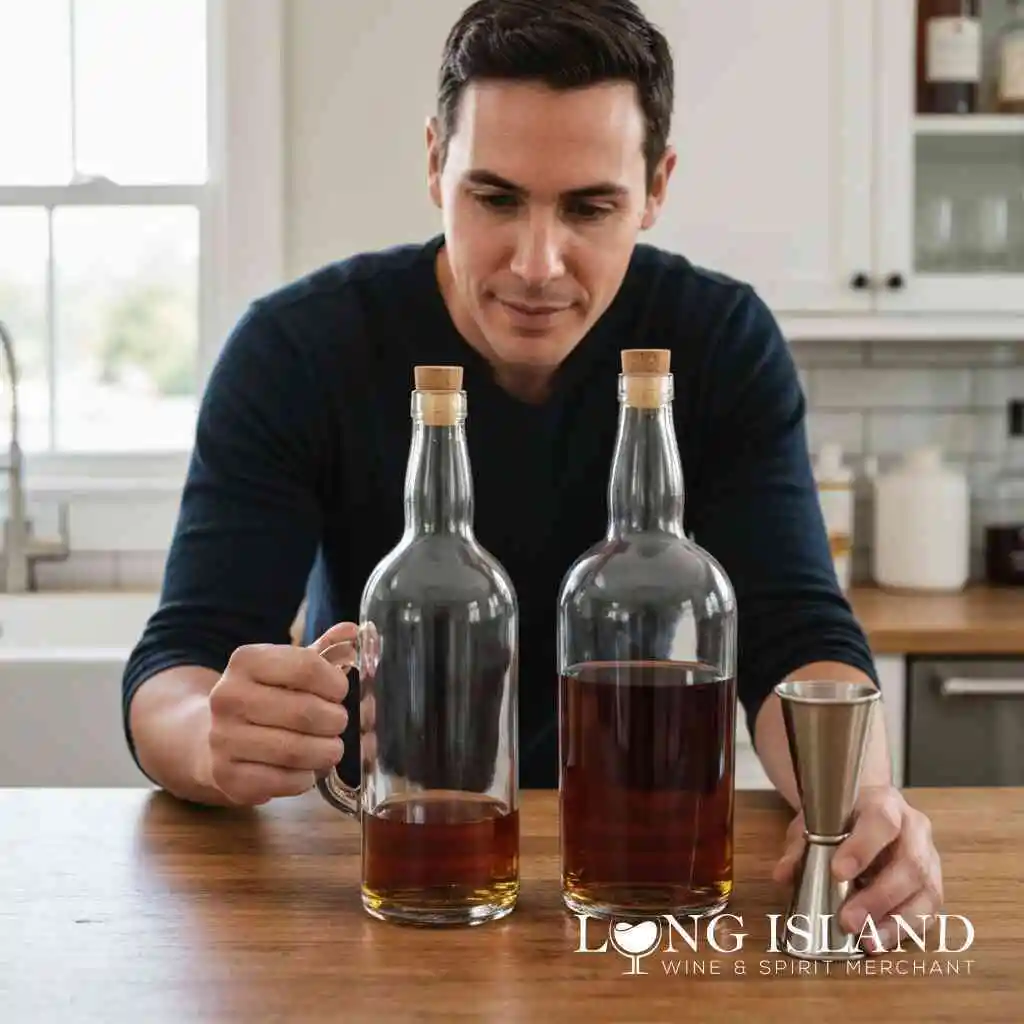
Every great cocktail is a study in proportions, and understanding the metric to imperial conversion is vital for professional spirits inventory management. A classic recipe might call for 30ml of gin, which is precisely one fluid ounce. Being comfortable with these measurements allows you to follow recipes from different countries without needing a conversion app on your phone. Whether you are measuring out vermouth for a martini or coffee liqueur for a dessert drink, precision is the key to quality. We encourage all our home bartending enthusiasts to invest in a quality jigger that shows both metric and imperial units.
Determining the Best Liquor Bottle Size for Parties
Selecting the best liquor bottle sizes for parties depends largely on the variety of drinks you intend to offer. If you are focusing on a single signature cocktail, buying larger handles of your base spirit is the smartest financial move. However, if you plan to provide a full bar, a wider array of 750ml bottles provides more variety for your guests. Don’t forget to include mixers like triple sec or blue curaçao to round out the experience. Always err on the side of having enough, as an extra bottle of whiskey or wine is rarely wasted at a gathering.
Economic and Practical Wisdom for Bulk Purchasing
Value size comparison is more than just looking for the cheapest price tag on the shelf. You need to calculate the actual cost per ounce to see if that handle of bourbon is truly a deal compared to the fifth. Many of our customers in the New York metro area find that buying in bulk saves significant money over the course of the year. Investing in essential spirits when they are on sale or in larger formats is a smart way to manage your home inventory. Let’s look at how you can make your budget stretch further while still enjoying high-quality products.
Value Size Comparison and Pricing Per Ounce
When comparing value pricing per ounce for spirits, always check the volume on the label before checking the price. A larger bottle doesn’t always guarantee a cheaper per-ounce price if the brand is premium or limited edition. We recommend keeping a simple spreadsheet or note on your phone to track prices of your go-to items like vodka or spiced rum. This practice turns you into an expert shopper who knows exactly when to stock up and when to wait for a better promotion.
Why Buying Cases of Wine and Spirits Makes Sense
Buying cases is an excellent way to prepare for seasonal liquor needs and holiday gatherings throughout the year. When you choose to purchase bulk cases of wine, you not only secure a discount but also ensure you never have to scramble during an emergency. Whether you need red wine for a dinner party or a case of sparkling wine for a celebration, having stock ready at home is a massive convenience. Our warehouse in Commack makes it easy for you to pick up or receive shipments of your favorite selections in bulk.
Smart Bar Inventory Management for the Home Enthusiast
Managing your home bar inventory involves rotating your stock, checking the expiration of items like vermouth, and monitoring your levels of staples. Essential spirits should always be replenished before they hit empty, while specialty items can be kept in smaller quantities to save space. We see many customers who use our online platform to track what they own and what they need to replace. By treating your home collection with the same care a pro would use, you ensure your bar is always ready for a spontaneous cocktail session.
Bringing the Experience Home
Our commitment to you goes beyond just selling bottles; we want to be your trusted resource for all things spirits-related. Whether you are searching for home bar liquor essentials or trying to understand complex shipping laws, we are here to guide you. We take pride in our roots here on Long Island and strive to bring that friendly, local service to every customer, no matter where they live. From our shop in Commack to your doorstep, we handle your orders with care and expertise.
Reliable Alcohol Shipping Laws for All States
Shipping alcohol is a complicated field, but we work tirelessly to stay updated on the latest regulations to serve you better. We have built a robust system for ordering spirits online in New York and across the country to ensure your packages arrive safely and legally. When you order from us, you can trust that we follow all TTB guidelines and state laws to provide a seamless experience.
Connecting with Our Commack and Long Island Roots
Located in the heart of Suffolk County, we have deep ties to our local community and the vibrant culture of New York. Our store is a place where neighbors meet to discuss the latest arrivals, from allocated bourbon to local craft beer. Being part of the community profile for Commack New York means we care about the quality of service we provide to everyone who walks through our doors. Every bottle we sell carries the warmth and hospitality that defines the spirit of our region.
Final Thoughts on Stocking Your Bar with Confidence
Building a home bar is a personal and rewarding project that evolves alongside your changing palate. By mastering the sizes, understanding the conversions, and making smart purchasing decisions, you transform your space into a true sanctuary. We invite you to explore our vast selection online or visit us in Commack for personalized recommendations. Thank you for choosing us to be part of your journey, and here is to many wonderful evenings filled with great company and perfectly poured drinks.
Frequently Asked Questions
What are the standard liquor bottle sizes in the US?The TTB mandates specific sizes to ensure uniformity. The most common sizes include 50ml (mini), 100ml, 200ml, 375ml (half-pint), 750ml (the standard “fifth”), 1 liter, and 1.75 liters (the “handle”). These standards make it much easier for consumers to compare prices and track alcohol consumption.
Is a half gallon the same as a handle?Not exactly, though they are often used interchangeably in casual conversation. A true half-gallon is 64 ounces, while a standard 1.75-liter handle is approximately 59.2 ounces. The 1.75-liter size is the modern standard used by distilleries today to meet legal requirements.
How many 1.5 oz shots in a liter?A 1-liter bottle contains 1,000 milliliters. Since one fluid ounce is approximately 29.57 milliliters, a 1.5-ounce shot is roughly 44.36 milliliters. Dividing 1,000 by 44.36 gives you about 22.5 shots in a liter bottle.
Does Shop Liquor Bottle Sizes ship mini bottles?Yes, we absolutely do. Mini bottles are a fantastic way to sample spirits or create gift sets for friends. We can include these in your orders and ship them to all 50 states where permitted by local law.
Which size is best for a wedding toast?For a large event like a wedding, we recommend 750ml bottles for champagne or sparkling wine as they are the easiest to manage for pouring. If you are serving a crowd, calculating the number of guests times the number of glasses per person will help you order the correct amount of cases.
Are there eco-friendly options for liquor bottles?Many distillers are now moving toward lighter glass and sustainable packaging to reduce their carbon footprint. While you cannot easily reuse liquor bottles for home distilling due to safety laws, many people repurpose empty glass bottles as decorative vases or water carafes.
How do I calculate ABV for a custom cocktail?To calculate the total ABV of a cocktail, you must divide the total volume of pure alcohol in all ingredients by the total volume of the drink. Multiply the result by 100 to get the percentage. It is a helpful way to understand the strength of your favorite mixed drinks.


