
Why Do Airlines Prefer Mini Liquor Bottles for Travel
November 17, 2026
Airlines prefer mini liquor bottles because they are easier to control, store, count, and serve safely than full-size bottles. Mini bottles, airplane bottles, and nip bottles also fit better with TSA alcohol rules, checked bag alcohol rules, and onboard inventory needs, which makes travel-size alcohol the practical choice.
Key Takeaways
- Mini liquor bottles reduce spillage, waste, and storage problems in tight cabin and galley spaces.
- TSA alcohol rules and carry-on liquor regulations make small, sealed bottles easier to manage than open or oversized containers.
- Standard bottle sizes matter because airlines plan around predictable volume, weight, and service counts.
- A 50 ml mini bottle is about 1.7 oz, which is close to a single shot and easy to portion.
- Vodka, whiskey, gin, tequila, rum, and liqueur all work well in mini format because they are stable, compact, and easy to inventory.
Why Airlines Keep Reaching for Mini Liquor Bottles Instead of Full-Size Pours
Airlines choose mini liquor bottles because they simplify service in a cramped environment. Smaller bottles are easier to stock, easier to count, and less risky if they tip, leak, or get dropped. For travelers, that same logic explains why airplane bottles are convenient for packing, gifting, and planning a trip with less guesswork.
The cabin logic behind airplane bottles and why compact packaging wins at 30,000 feet
The cabin is a moving, tight workspace. Every inch matters, and every ounce matters too. A full fifth of liquor, a 750 ml liquor bottle, or a 1 liter liquor bottle takes up more room than a tray of mini bottles, and that extra bulk is a real problem in galleys, carts, and under-seat storage.
Mini liquor bottles also make service more consistent. A flight attendant can grab one bottle, pour it, and know exactly how much went into the glass. That reduces overpouring, short pours, and waste. Compact packaging is not just about size; it is about controlling variables during a fast beverage service.
On the projects and orders we see every week at a Long Island liquor store like ours in Commack, customers often want the same thing airlines want: less mess, easier counting, and cleaner storage. That is why mini bottles for favors, travel kits, and sample packs remain popular beyond aviation.
How TSA alcohol rules, carry-on limits, and checked bag regulations make travel-size alcohol the safer operational choice
TSA alcohol rules make sealed, small-format bottles much easier to handle than large containers in carry-on bags. For checked bags, alcohol is generally allowed within federal limits, but the rules depend on proof, container size, and packing method. For a quick reference, the Alcohol and Tobacco Tax and Trade Bureau is the right place to confirm federal beverage alcohol standards, while the NIAAA overview is helpful for understanding responsible alcohol use.
Airlines prefer mini bottles because they reduce compliance risk. They are easier to distribute, easier to inventory, and less likely to cause a policy problem at security or during boarding. That is especially true when travelers are comparing carry-on liquor regulations, checked bag alcohol rules, and the reality of airport screening.
A simple way to think about it:
- Mini bottles are easiest for controlled service.
- Standard bottles are best for home bars and larger events.
- Oversized bottles are usually impractical for travel.
For travelers who want convenience without confusion, browsing the Liquor Bottle Blog or Liquor Bottle Sizes can save time. If you are packing for a flight, a wedding weekend, or a gift bag, the right bottle size makes the trip smoother before you even leave Commack or anywhere else in Suffolk County.
What a Bottle Size Tells the Airline Before the Drink Ever Gets Poured
A bottle size tells an airline how much inventory it can carry, how many servings it can make, and how easily it can manage service. Standard bottle sizes also help travelers compare value, estimate shot counts, and choose the right format for a home bar, gift liquor, or party planning.
Standard bottle sizes from 50 ml to 1.75 liter and why the size chart matters for onboard service and storage
A liquor size chart gives a clear picture of what airlines and travelers are dealing with. In the US, the common standard bottle sizes include 50 ml, 100 ml, 200 ml, 375 ml, 750 ml, 1 liter, and 1.75 liter. Those sizes are useful because they line up with storage, service, and math.
Bottle sizeCommon nameRough use case50 mlmini bottle, airplane bottle, nip bottlesingle serve, tasting, favors375 mlhalf bottlesmall home use, sampling750 mlfifth of liquorstandard retail bottle1 literliter bottlevalue size, home bar1.75 literhandle of liquorparty pours, bulk useThe old “fifth” name comes from one-fifth of a gallon, which is why people still use it even though the modern standard is 750 ml. If you like comparing formats, our liquor bottle sizes explained category breaks down these standard bottle sizes in plain language.
Airlines like these predictable sizes because they make onboard service easier to plan. A cart stocked with mini liquor bottles is much simpler than one stocked with mixed large-format bottles. That matters when space is tight and service has to stay quick.
How shot sizes, ml to oz conversion, and how many shots in a bottle explain the value of mini bottles for favors and travel kits
A standard shot is usually 1.5 oz in the US. That means a 50 ml bottle, which is about 1.7 oz, comes very close to one shot. A 750 ml bottle gives you about 16 shots at 1.5 oz each, and a 1 liter bottle gives you about 22 shots.
Here is a simple conversion guide:
- 50 ml = about 1.7 oz
- 375 ml = about 12.7 oz
- 750 ml = about 25.4 oz
- 1 liter = about 33.8 oz
- 1.75 liter = about 59.2 oz
That ml to oz conversion matters for more than math. It helps you plan favors, travel kits, and home bar essentials with less waste. If you are preparing for an event, one of our guides on how to choose mini liquor bottles can help you match the bottle size to the occasion.
I once helped a customer from Smithtown who needed small bottles for a backyard gathering near the water. She did not want guests carrying home half-used bottles, and she did not want a cluttered bar setup either. Minis solved both problems. They looked neat, poured cleanly, and made cleanup simple.
The Hidden Economics of Serving Spirits in the Sky
Mini liquor bottles make economic sense because they reduce waste, tighten inventory control, and improve pricing per ounce visibility. Airlines can plan more accurately when every unit is standardized, and that matters when you are serving hundreds of passengers with limited space, limited labor, and limited room for errors.
Why price per ounce, bar inventory control, and fewer waste points make mini liquor bottles a smart aviation fit
Airlines do not think like retail shoppers. They think in portions, losses, and control points. A mini bottle creates one sealed unit, one serving, and one easy inventory count. That is much cleaner than opening a large bottle, estimating pours, and dealing with leftovers. For travelers and home bartenders, the same logic applies. Mini bottles can help you compare value size versus convenience. A larger bottle usually wins on price per ounce, but mini bottles win on flexibility and waste control. That tradeoff is why airlines prefer them for onboard service. 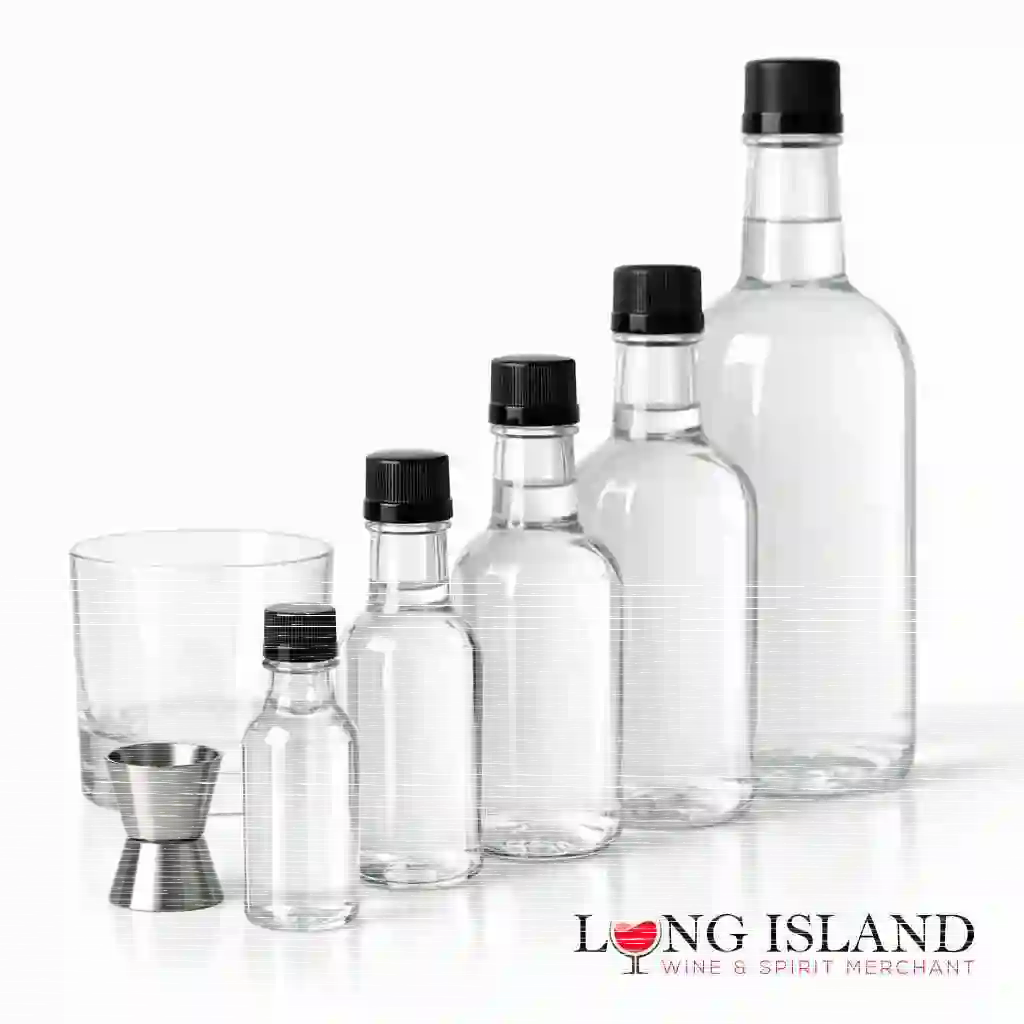
A simple comparison helps:
FormatStrengthLimitationMini liquor bottlesEasy to store, serve, and countHigher price per ounce750 ml liquorBetter value per ounceLess convenient for travel1.75 liter handleBest bulk valueToo large for travel and onboard serviceIf you are building a bar inventory or pricing out a party, that table is the one to remember. Bulk liquor makes sense for a home bar. Mini bottles make sense for controlled servings, tasting flights, and airline-style portioning.
Which types of spirits travel best in mini format from vodka and whiskey to gin, tequila, rum, and liqueur
Some spirits are especially well suited to mini format because they are commonly used in mixed drinks, easy to pour, and familiar to most travelers. Vodka, whiskey, bourbon, scotch, rye whiskey, rum, spiced rum, gin, tequila, mezcal, brandy, cognac, armagnac, vermouth, amaro, and liqueur all work well in small bottles.
Here is why those spirits travel well:
- Vodka is neutral and easy to mix.
- Whiskey, bourbon, and scotch are popular for sipping or cocktails.
- Gin, tequila, and rum are versatile for travel cocktails.
- Vermouth, amaro, and liqueur are useful cocktail ingredients in smaller amounts.
- Baileys, Kahlúa, triple sec, blue curaçao, and coffee liqueur are often bought in smaller sizes because they are used in limited quantities.
Wine, beer, craft beer, imported beer, domestic beer, hard seltzer, and canned cocktails also have travel-friendly formats, but mini spirits are the most efficient for controlled pouring. If you are stocking for guests, gifting, or a tasting night, Top 5 Mini Liquor Bottles for Party Favors and Tastings can give you a quick starting point.
The mistake we see most often is people buying full-size bottles for occasions that only need a few measured pours. That creates leftovers, clutter, and extra cost. Mini bottles solve that cleanly. They also make good gift liquor, especially when paired with liquor gift sets or party favors.
If you want a practical next move, compare a few bottle sizes before you buy liquor online. Shop Liquor Bottle Sizes is built around helping you choose the right size for the right purpose, with shipping to all 50 states where permitted by law. Start with one category, compare the sizes, and order the format that fits your bar, your trip, or your event.
Frequently Asked Questions
What are the standard liquor bottle sizes in the US?
The most common standard bottle sizes are 50 ml, 100 ml, 200 ml, 375 ml, 750 ml, 1 liter, and 1.75 liter. People still call the 750 ml bottle a fifth of liquor, and the 1.75 liter bottle a handle. These sizes make it easier to compare how much alcohol you are buying and how much you can pour.
Is a half gallon the same as a handle?
Not exactly. A handle of liquor is usually 1.75 liters, which is close to 59.2 oz. A true half gallon is 1.89 liters, so the terms are often used loosely, but they are not identical. In everyday liquor shopping, though, most people use “handle” to mean the 1.75 liter size.
How many 1.5 oz shots are in a 750 ml bottle?
A 750 ml bottle holds about 25.4 ounces, so it gives you roughly 16 shots at 1.5 oz each. If you pour smaller or larger shots, the count changes. That is why bartenders and home hosts often use a liquor size chart before shopping for an event.
Does Shop Liquor Bottle Sizes ship mini bottles?
Shop Liquor Bottle Sizes ships to all 50 states where allowed by alcohol shipping laws. If you want mini bottles, airplane bottles, or other standard liquor bottle sizes, it is smart to check the product category and shipping rules before ordering. The store is based in Commack, New York and serves Long Island customers as well as nationwide shoppers.
Which size is best for a wedding toast?
For a toast, the best size depends on how many people you are serving and whether you want a full pour or a sample-sized drink. Mini bottles are great for favors and tasting flights, while 750 ml bottles and larger sizes are better for full bar service. If you want a clean, controlled setup, mini bottles are often the easiest choice.
What is the best way to compare bottle value?
Use pricing per ounce. Divide the bottle price by the total ounces to see the real value. Larger bottles usually cost less per ounce, while mini bottles cost more per ounce but save time, reduce waste, and simplify service. That tradeoff is exactly why airlines use them so often.
Can I use mini bottles for home bar planning?
Yes. Mini bottles are useful for testing new cocktail ingredients, stocking a compact home bar, or building a small tasting set. They also help you avoid buying full-size bottles you may not finish. For people who like trying new types of spirits, minis are a smart, low-commitment option.


